Sound

Best Wireless Bluetooth Headphones: Complete Buying Guide

Wireless Bluetooth Headphones: The Complete 2026 Buying Guide

Introduction

Shopping for wireless bluetooth headphones can feel overwhelming. Every brand claims to have the best sound, the longest battery life, and the strongest noise cancellation. But how do you actually know which pair fits your lifestyle?

This guide breaks down everything you need to know before buying wireless bluetooth headphones, from key features and specifications to who should (and shouldn't) buy them. Whether you want something for daily commutes, workouts, work calls, or long flights, you'll find practical, honest advice here to help you choose with confidence.

Table of Contents

  1. What Are Wireless Bluetooth Headphones
  2. Key Features To Look For
  3. Benefits Of Wireless Bluetooth Headphones
  4. Pros And Cons
  5. Who Should Buy Wireless Bluetooth Headphones
  6. Who Should Avoid Them
  7. Buying Guide: What Really Matters
  8. Important Specifications Explained
  9. Performance
  10. Design And Comfort
  11. Build Quality
  12. Price Range Breakdown
  13. Alternatives To Consider
  14. Comparison With Wired And True Wireless Earbuds
  15. Real-World Use Cases
  16. Maintenance Tips
  17. Comparison Table
  18. Expert Tips
  19. Common Mistakes Buyers Make
  20. Frequently Asked Questions
  21. Conclusion

What Are Wireless Bluetooth Headphones

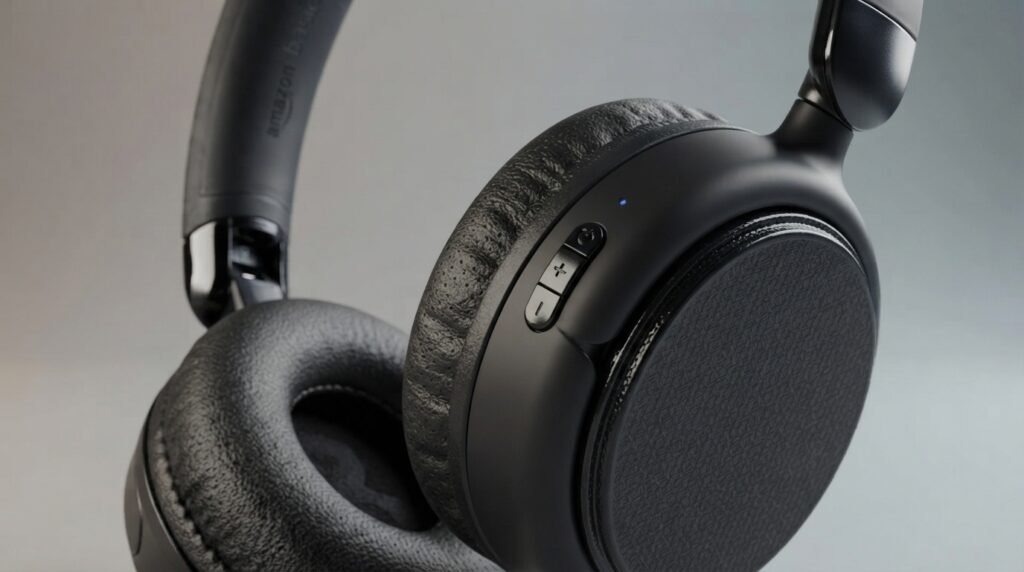
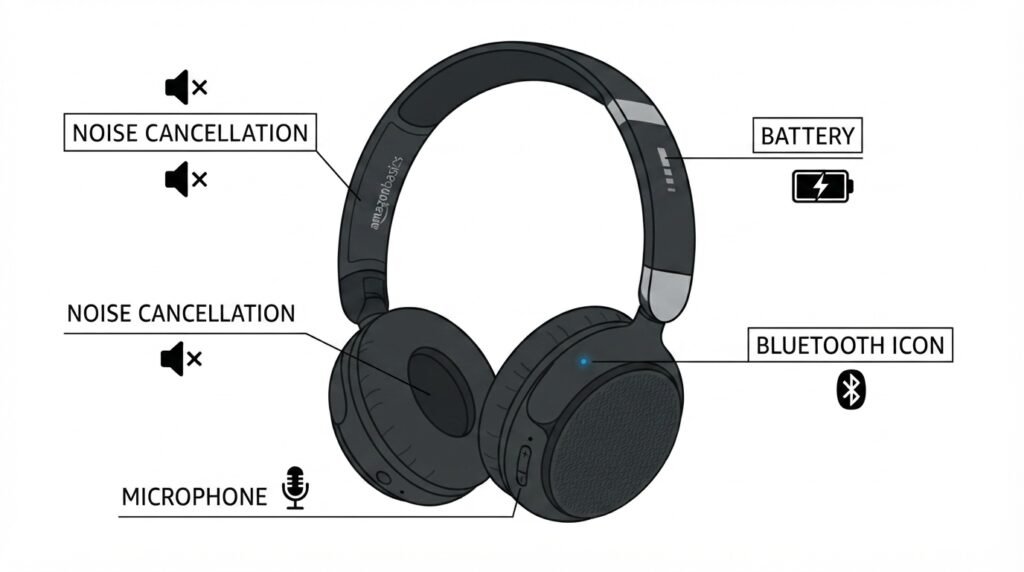
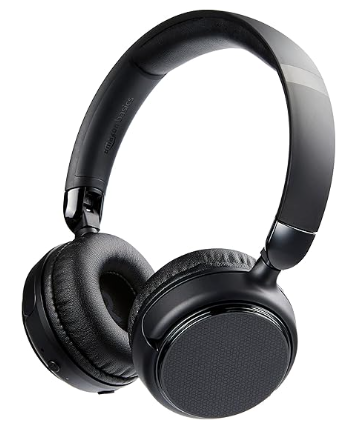
Wireless bluetooth headphones are over-ear or on-ear headphones that connect to your phone, laptop, or tablet using Bluetooth technology instead of a physical cable. They typically include a rechargeable battery, built-in microphone, and onboard controls for playback and calls.

According to most manufacturers, modern wireless bluetooth headphones can last anywhere from 20 to 60 hours on a single charge, depending on features like noise cancellation and volume level.

Unlike true wireless earbuds, over-ear bluetooth headphones usually offer larger drivers, which can help produce fuller sound and deeper bass, along with more comfortable, longer listening sessions for many users.

Key Features To Look For

When comparing wireless bluetooth headphones, a few features consistently matter most to buyers.

  • Active Noise Cancellation (ANC): Helps block outside noise like traffic, chatter, or airplane engines.
  • Battery life: Ranges widely; look for headphones that match your daily usage patterns.
  • Bluetooth version: Newer versions such as Bluetooth 5.3 generally offer more stable connections and better power efficiency.
  • Codec support: Codecs like AAC, aptX, and LDAC can affect streaming audio quality, depending on your device.
  • Multipoint connectivity: Lets you pair with two devices at once, such as a laptop and phone.
  • Comfort and weight: Padded ear cushions and an adjustable headband can make a big difference over long sessions.
  • Microphone quality: Important if you plan to use them for calls or video meetings.

Benefits Of Wireless Bluetooth Headphones

  • Freedom of movement without tangled cables
  • Convenient for workouts, commuting, and travel
  • Many models include ANC for better focus in noisy environments
  • Often compatible across multiple devices via Bluetooth
  • Some models support voice assistants for hands-free control

Pros And Cons

Pros:

  • No cable clutter
  • May offer long battery life depending on the model
  • Can include useful features like ANC and companion apps
  • Often comfortable for extended wear

Cons:

  • Requires regular charging, unlike wired headphones
  • Bluetooth audio may introduce slight latency, which can matter for gaming or video editing
  • Higher-end models with strong ANC and premium sound can be expensive
  • Some budget models may have inconsistent build quality

Who Should Buy Wireless Bluetooth Headphones

Wireless bluetooth headphones tend to work well for:

  • Commuters who want to block out noise on public transport
  • Remote workers who take frequent video calls
  • Travelers who want ANC for flights
  • Casual listeners who prioritize convenience over audiophile-grade wired setups
  • Gym-goers who want a cable-free workout experience

Who Should Avoid Them

They may not be the best fit for:

  • Studio professionals who need precise, latency-free monitoring
  • Competitive gamers who require the lowest possible audio latency
  • Audiophiles seeking the absolute highest fidelity, which some wired headphones may still edge out depending on the setup
  • Anyone who dislikes charging devices regularly

Buying Guide: What Really Matters

Before buying, it helps to think through a few questions:

  1. What will you mainly use them for? Commuting, gaming, working out, or working from home each favor different features.
  2. How important is ANC to you? If you travel often or work in noisy spaces, stronger ANC may be worth prioritizing.
  3. How long do you need the battery to last? Match this to your daily routine, not just the marketing number.
  4. Do you need multipoint pairing? Helpful if you regularly switch between a laptop and phone.
  5. What's your comfort preference? Over-ear designs generally suit longer sessions better than on-ear designs for many users.

Important Specifications Explained

  • Driver size: Usually measured in millimeters; larger drivers can (but don't always) produce deeper bass.
  • Frequency response: The range of sound frequencies the headphones can reproduce, often listed in Hz.
  • Impedance: Affects how much power is needed to drive the headphones; lower impedance can be easier to power from phones.
  • Bluetooth range: Typically around 30 feet (10 meters), though walls and obstacles can reduce this.
  • Water resistance rating (IPX): Relevant mainly for workout-focused models.

Performance

Performance depends heavily on the specific model, so it's worth reading individual reviews before buying. In general, wireless bluetooth headphones with newer Bluetooth versions and supported high-quality codecs tend to deliver more consistent audio streaming with fewer dropouts.

ANC performance also varies significantly between price tiers, with higher-end models generally offering more adaptive and effective noise cancellation, according to manufacturer claims and independent audio testing outlets.

Design And Comfort

Comfort largely comes down to:

  • Ear cushion material (memory foam vs. standard foam)
  • Clamping force of the headband
  • Overall weight
  • Ventilation, which can help reduce heat buildup during longer sessions

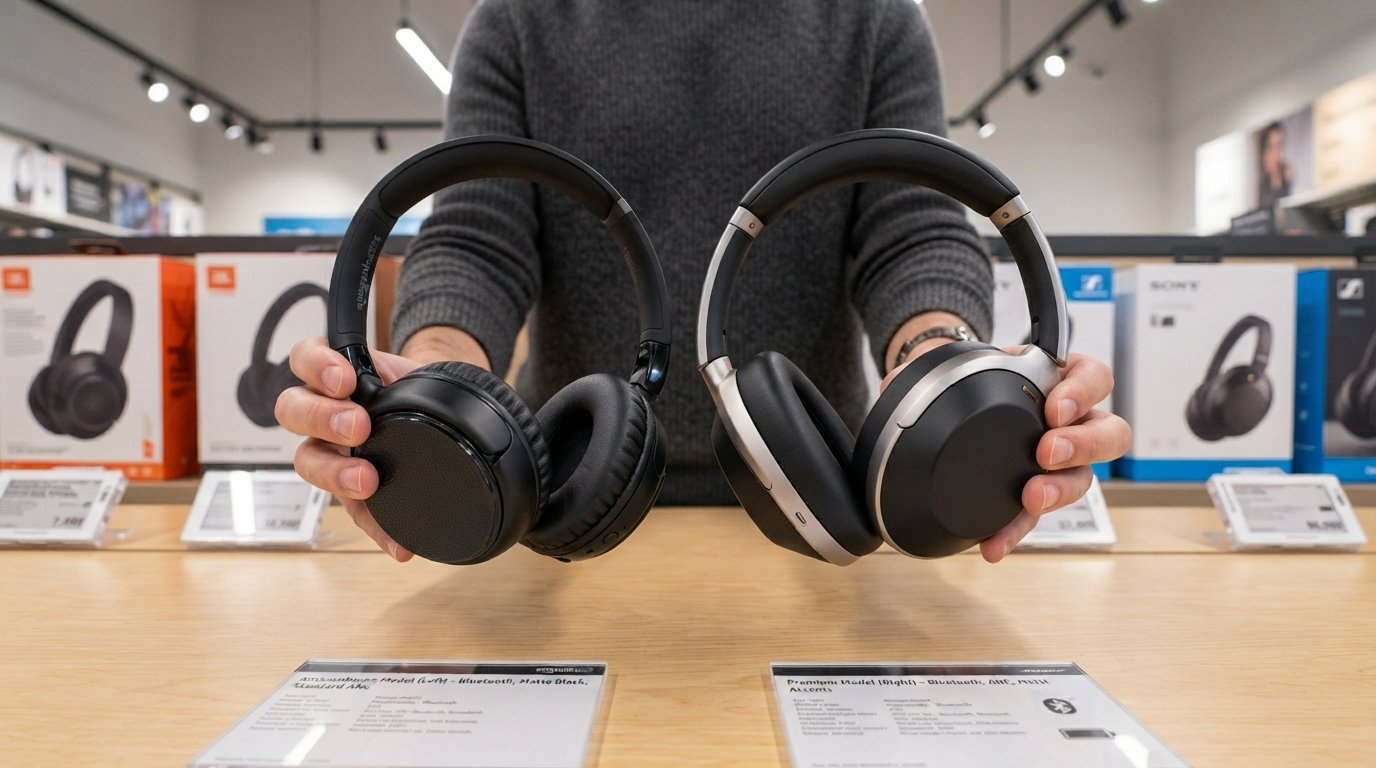
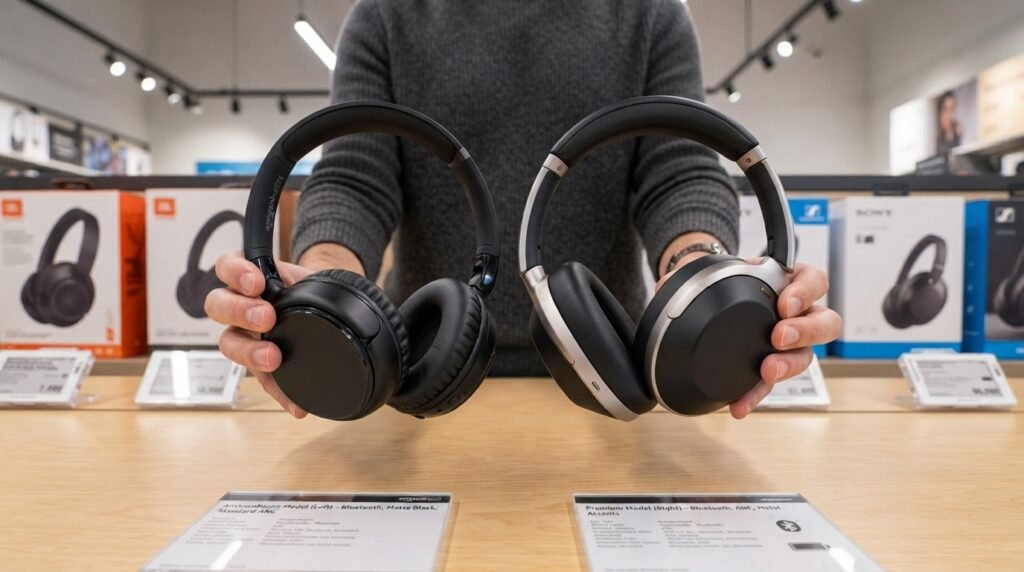
If you plan to wear headphones for several hours at a time, trying them on in person, or checking return policies before buying online, can help avoid comfort-related regrets.

Build Quality

Look for reinforced hinges, sturdy headbands, and quality materials, especially if you plan to travel with your headphones frequently. Foldable designs paired with a hard-shell case can help reduce wear and tear during transport.

Price Range Breakdown

  • Budget (under $50): Basic Bluetooth connectivity, decent sound for casual listening, ANC is rare or limited.
  • Mid-range ($50–$150): Often includes ANC, improved battery life, and companion apps.
  • Premium ($150–$300+): Typically offers the most advanced ANC, premium materials, multiple codec support, and refined sound tuning.

Prices and included features can vary by retailer and change over time, so it's worth checking current listings before deciding on a budget.

Alternatives To Consider

  • True wireless earbuds: More compact and portable, though often with shorter battery life per charge (offset by charging cases).
  • Wired headphones: Can offer consistent audio quality without battery concerns, though they sacrifice wireless convenience.
  • Open-back headphones: Popular among audiophiles for a spacious soundstage, though generally not designed for noise isolation.

Comparison With Wired And True Wireless Earbuds

Wireless bluetooth over-ear headphones generally sit between wired headphones and true wireless earbuds in terms of trade-offs. They tend to offer better battery life per session than earbuds, more comfort for long listening than most in-ear designs, and more convenience than wired models, though usually at a higher price point than basic wired options.

Real-World Use Cases

  • Daily commute: ANC plus long battery life helps block train or traffic noise.
  • Remote work: Multipoint pairing and a clear microphone support smooth transitions between calls and music.
  • Travel: Foldable design and strong ANC can make long flights more comfortable.
  • Workouts: Lightweight, sweat-resistant designs with secure fit tend to work best.
  • Gaming: Look specifically for low-latency modes, since standard Bluetooth audio can introduce noticeable delay.

Maintenance Tips

  • Store headphones in their case when not in use to avoid dust and accidental damage.
  • Clean ear cushions periodically with a slightly damp, non-abrasive cloth.
  • Avoid letting the battery fully drain repeatedly, which can affect long-term battery health depending on the battery chemistry.
  • Keep firmware updated through the manufacturer's companion app, if available, for potential bug fixes and performance improvements.
  • Store in moderate temperatures; avoid leaving headphones in a hot car for extended periods.

Comparison Table

FeatureBudget TierMid-Range TierPremium Tier
Price RangeUnder $50$50–$150$150–$300+
Active Noise CancellationRare or basicUsually includedAdvanced, adaptive
Battery Life15–25 hours (typical)25–40 hours (typical)30–60 hours (typical)
Codec SupportBasic (SBC/AAC)AAC, sometimes aptXAAC, aptX, LDAC (varies by model)
Multipoint ConnectivityRareCommonCommon
Build MaterialsMostly plasticPlastic with padded elementsPremium materials, reinforced hinges
Best ForCasual, occasional useDaily commuting, work callsTravel, frequent listening, ANC priority

Note: Figures above are general industry ranges and can vary by specific model and manufacturer. Always check the current listing for exact specifications.

Expert Tips

  • Prioritize the feature you'll actually use daily (ANC, mic quality, or battery life) rather than chasing every spec.
  • If you wear glasses, look for softer ear cushions or clamping force reviews, since tight headbands can cause discomfort over glasses arms.
  • Check whether the companion app offers an EQ, since this can help tailor sound to your preference after purchase.
  • If gaming is a priority, confirm the model has a dedicated low-latency mode before buying.
  • Read verified customer reviews mentioning long-term durability, not just first impressions.

Common Mistakes Buyers Make

  • Chasing battery life numbers alone: A headphone with 60 hours of battery but poor comfort may still disappoint over time.
  • Ignoring microphone quality: Important if you take frequent calls, but often overlooked in favor of music playback specs.
  • Assuming higher price always means better comfort: Comfort is subjective and depends on head shape and ear cushion material.
  • Not checking return policies: Comfort and fit can only truly be judged after wearing headphones for a while.
  • Overlooking codec compatibility: A high-end codec like LDAC won't help if your phone doesn't support it.

Frequently Asked Questions

Are wireless bluetooth headphones good for calls? Many models include built-in microphones designed for calls, though call quality can vary by model and environment. Multipoint connectivity can also help you switch quickly between calls and other audio.

How long does the battery typically last? Battery life varies by model and usage, but many wireless bluetooth headphones offer somewhere between 20 and 60 hours per charge, according to manufacturer specifications.

Do wireless bluetooth headphones work with gaming consoles? Some do, though compatibility and latency can vary depending on the console and headphone model. It's worth checking specific compatibility before buying if gaming is a priority.

Is Bluetooth audio quality as good as wired? It depends on the codec supported by both your headphones and playback device. High-quality codecs can narrow the gap, though some audiophiles still prefer wired connections for critical listening.

Can I use wireless bluetooth headphones while charging? Many modern models support this, but it's best to confirm with the specific product's manual, since not all headphones allow simultaneous charging and use.

How do I clean my wireless bluetooth headphones? Wipe ear cushions with a slightly damp, non-abrasive cloth and avoid submerging the headphones in water unless they carry a specific water-resistance rating for that purpose.

Conclusion

Choosing the right wireless bluetooth headphones comes down to matching features to how you actually plan to use them. If you commute daily, prioritize ANC and comfort. If you're always on calls, focus on microphone quality and multipoint pairing. If you're a gamer, low latency matters more than raw battery life numbers.

There's no single "best" pair for everyone, but understanding the trade-offs above should make your decision much easier and help you avoid buyer's remorse.

CTA

šŸ‘‰ Ready to compare specific models? Check the latest price and current deals on Amazon using the link below

Leave a Reply

Your email address will not be published. Required fields are marked *